
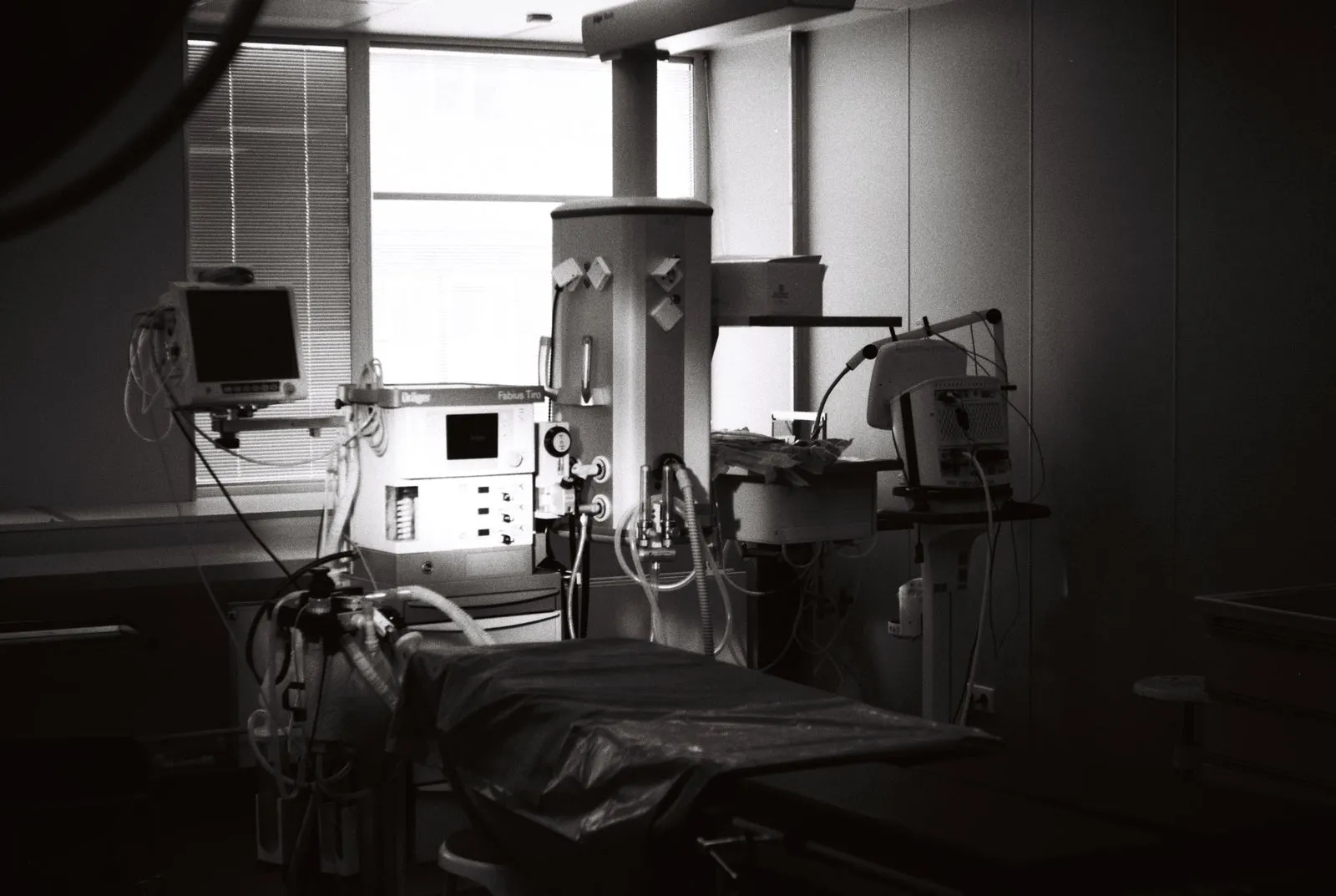
The right choice depends on how long you need the device, how often you'll use it, and how much trouble you'd be in without it. Repair first if a supported device has a known fault. Rent when the need is temporary or uncertain. Buy when the need is steady and long enough for the numbers to work.
Start with the device you already have
If the question is whether to keep something running, ask these before anything else:
- Are parts and service information still available?
- Is the repair a one-off, or is this device failing repeatedly?
- Does it still meet your clinical need and current requirements?
- What will the downtime cost if you wait for parts?
A supported device with an isolated fault is usually worth repairing. A device with no parts path, or one failing more often than it used to, is telling you something. The repair invoice is only part of the cost. Count the downtime and the staff time as well.
When renting makes sense
- Temporary demand. A census surge, a seasonal peak, or a short-term project.
- Coverage during downtime. Keeping patient care going while your own unit is out for repair.
- Trying before committing. Testing a model with your staff before you spend capital.
- Uncertain plans. A new service line or site that may not last.
- Budget timing. The need is real now but capital funds aren't available yet.
When buying makes sense
- The device will be used regularly for years
- You've confirmed the model fits your workflow
- You can support it with maintenance, consumables and spare accessories
- The total cost beats renting over the period you actually need it
Buying doesn't always mean new. A re-certified unit can make sense when the model is still supported and the need is proven. If capital is the obstacle, financing or net terms may change the math.
Run the break-even
A rough calculation settles most of these decisions. Work out the cost of owning, then see how many months of rental it equals:
Break-even months = (purchase price + expected service cost − expected resale value) ÷ monthly rental cost
Here's a made-up example to show the method. A device costs $10,000 to buy. You expect $1,500 in service while you own it and $3,000 back when you sell it. Renting it would cost $500 a month.
That gives ($10,000 + $1,500 − $3,000) ÷ $500 = 17 months. If you need the device for longer than 17 months, buying wins. If your need is shorter or unclear, renting wins. Use your own figures, and confirm whether a rental quote includes service, delivery and accessories, so that you're comparing like with like.
Don't forget the cost of having nothing
For a critical device, a backup can matter more than the unit price. If a failure would cancel procedures or divert patients, compare the options on how quickly you could recover, not only on what they cost. That might mean owning a spare, or agreeing loaner access in advance so you aren't searching for one mid-crisis.
A simple rule of thumb
| Situation | Usual best option |
|---|---|
| Supported device with a single fault | Repair |
| Short or uncertain need | Rent |
| Unit out for repair, patients waiting | Repair, with a loaner |
| Steady, long-term need | Buy |
| Repeated failures or no parts path | Replace |
Need numbers for your own case? Ask for a rental quote, request a repair estimate, or browse equipment for sale, and compare them side by side.